
Meccha Chameleon Color Matching Guide: How to Paint Better
Learn how to match colors in Meccha Chameleon with practical painting habits, surface reading, shadow matching, edge blending, and quick corrections.
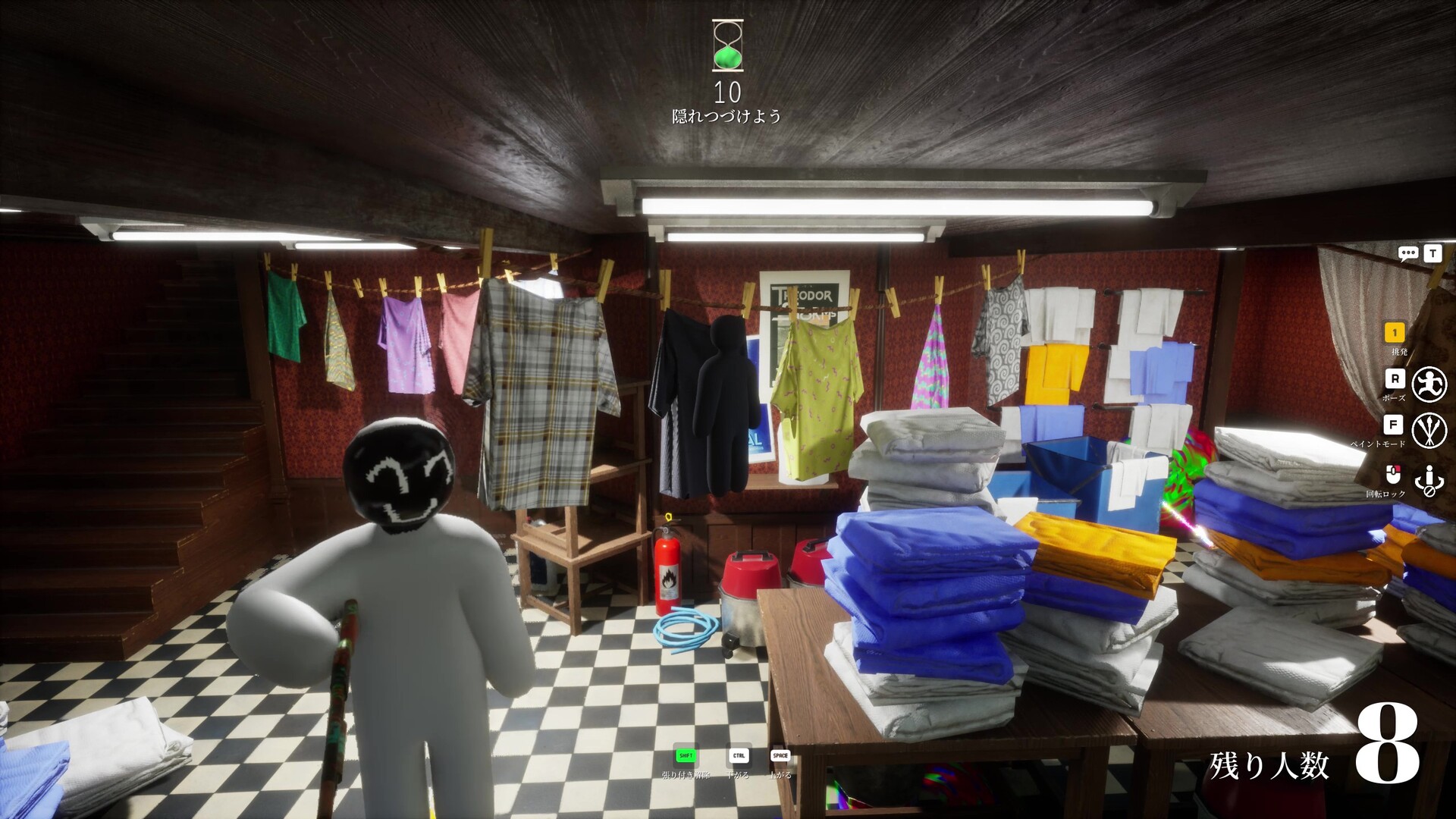
Good color matching in Meccha Chameleon starts with the largest background color, then adjusts shadows, edges, and small patches only after your body outline already looks believable.
Match Big Areas First
New hiders often chase tiny details before the main body color is even close. Start with the largest visible color behind you. If most of your body sits on a green wall, get that green close first before worrying about highlights.
A rough but consistent match usually beats a detailed paint job with one bright patch that catches the seeker's eye.
- Choose the surface before painting.
- Match the dominant color first.
- Darken or lighten after the main hue feels close.
- Fix edges only after your main silhouette is hidden.
Use Shadows Carefully
Shadows can hide imperfect colors, but they can also make a painted body look like a strange object. If the background has a soft shadow, your paint should be slightly darker but not pure black.
When Imperfect Color Works
Perfect color is not always required. In visually noisy areas, seekers process shape before exact hue. If your outline is broken by props, corners, or clutter, a close color match can be enough.
Meccha Chameleon Color Matching Guide FAQ
What is the fastest way to paint better?
Match the dominant background color first, then refine shadows and edges only if you have time.
Does color matter more than pose?
No. Color, pose, and outline work together. A good pose can save an imperfect color match.
Should I use bright colors?
Only when the background uses bright colors. Random bright patches make hiders easier to spot.